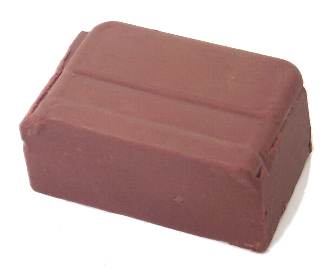
This is a nice article about chocolate it's not the end all be all to chocolate but it has good information. Substitutions, types, equivalents, etc. I found it useful when I was looking for a substitute for bittersweet chocolate today... but more to come on that later. And I couldn't resist putting a clip from one of AB's Good Eats shows about chocolate at the end....
All content and photos are from: http://www.foodsubs.com/Chocvan.html
Chocolate
Chocolate is made from tropical cacao beans,
which are transformed by machines and an inveterate spelling error into a
bitter, brown paste of cocoa butter and cocoa solids. When this
unsweetened chocolate is combined with sugar, vanilla, and other ingredients,
the result, of course, is heavenly.
Chocolate's notoriously hard to work with. If you
don't store it properly (preferably at 65° or so), the cocoa butter can
separate slightly from the solids, causing the chocolate to
"bloom." This leaves a telltale gray residue on the surface and
impairs the taste and texture slightly. Chocolate will scorch if
you melt it at too high a temperature, or "seize" and become thick
and grainy if you add even a drop of cold liquid to it as it's melting.
You can prevent it from seizing by adding hot liquids (like cream) to chopped
chocolate in order to melt it, or by making sure that anything you're dipping
into the melted chocolate (like a strawberry or whisk) is perfectly dry.
If your chocolate has seized, you can still use it in any recipe that calls for
chocolate to be blended with a liquid. Just add the liquid to the
chocolate and melt it again.
If you plan to melt chocolate, it's best to buy it
in bars. Chips contain less cocoa butter so that they can better hold
their shape in cookies, but this makes them harder to melt and less
tasty. It's easiest to melt chocolate in a microwave oven. Just
break the chocolate into small pieces, heat it for 30 seconds at 50% power,
stir, then repeat a few times. Take it out of the microwave when the
chocolate is almost completely melted, then continue stirring until the melting
is complete. If you don't have a microwave, use a double boiler.
Varieties:
American cocoa See
cocoa;
Bittersweet
chocolate
Notes: This is a sweetened
chocolate that's heavy on the cocoa solids and light on the sugar, giving it a
rich, intense chocolate flavor. Many pastry chefs prefer bittersweet to
semi-sweet or sweet chocolate, but the three can be used interchangeably in
most recipes. The best bittersweet chocolates contain at least 50% cocoa
solids. Substitutes: semi-sweet chocolate
(Very similar, but bittersweet chocolate usually has more chocolate
liquor. To make semisweet chocolate more like bittersweet chocolate, add
some unsweetened chocolate or cocoa powder to it.)
Carob
carob = St. John's bread
= honey locust = locust bean Pronunciation:
CARE-ub Notes: Carob is sometimes used as a substitute by
those unfortunates who are allergic to chocolate, since its flavor is vaguely
similar. Others use it as a healthy alternative to chocolate, since it
contains less fat and no caffeine. It's available as raw pods, chips, and
either as toasted or untoasted powder (toasting helps bring out the
flavor). Look for it in health food stores. Substitutes: cocoa
powder (Most cookbooks call for cocoa to be substituted for carob measure for
measure, but since cocoa has a stronger flavor, you should use less.
Cocoa powder has more fat than carob powder, and some caffeine. Since
carob burns more easily than cocoa, the recipe may call for a lower oven
temperature than is necessary with cocoa powder.)
Carob Chips
carob chips Notes:
You can use these in place of chocolate chips in cookies or trail mix. Substitutes:
chocolate chips
Chocolate Chips
chocolate chips =
chocolate morsels Notes: These are designed to go into
chocolate chip cookies, muffins, and trail mixes. Chocolate chips often
have less cocoa butter than chocolate bars, which helps them retain their shape
better when they're baked in the oven. Avoid chips that contain vegetable
oil instead of cocoa butter--they have a waxy flavor.
Substitutes: chocolate bars chopped into chunks OR M&M candies
(in cookies) OR nuts (in cookies) OR carob chips OR raisins OR
chocolate-covered raisins OR butterscotch chips (If you're using these in place
of chocolate chips to make fudge, use less fat in the recipe.) OR peanut butter
chips (If you're using these in place of chocolate chips to make fudge, use
less fat in the recipe.) OR white chocolate chips (If you're using these in
place of chocolate chips to make fudge, use less fat in the recipe.)
Chocolate Curls
chocolate curls =
chocolate shavings = shaved chocolate
Notes: This is a pretty and easily-made garnish for
desserts. The curls are fragile, so it's best to move them around with a
toothpick. To make your own: Warm a square of
sweet, semi-sweet, bittersweet, white, or milk chocolate in the microwave at
50% power for about 30 seconds, then shave curls from it using a
vegetable peeler. If the chocolate crumbles, it's too cold.
Substitutes: Use a grater to grate chocolate onto the dessert you're
garnishing. OR dust with cocoa
Chocolate Hazelnut Spread
chocolate-hazelnut
spread = chocolate-hazelnut paste = chocolate-hazelnut butter =
gianduja paste = gianduia paste = pasta gianduja = gianduja pâté = gianduia
pâté Notes: This is a mixture of chocolate and hazelnut paste that
Europeans use like peanut butter. Nutella is a popular brand.
Substitutes: peanut butter
Cocoa

cocoa = cocoa powder =
unsweetened cocoa powder Equivalents: 1/4 cup cocoa powder
= 1 ounce Pronunciation: KOH-koh
Notes: Cocoa is similar to unsweetened chocolate, only it's in
powdered form and has less cocoa butter. Cooks like it because it
allows them to make low-fat goodies, or to use fats other than cocoa
butter. Cocoa's also used to dust candies and cakes. Dutched
cocoa = Dutch process cocoa = European process cocoa is treated with an
alkali, making it milder yet richer-tasting. It's the preferred cocoa for
beverages and frozen desserts, and for dusting baked goods. Recipes
for baked goods usually intend for you to use natural cocoa = American cocoa =
regular cocoa = nonalkalized cocoa, which is more acidic than Dutched
cocoa. You can often substitute one type of cocoa for the other,
but if the recipe includes baking soda, it may be counting on the acid in
natural cocoa in order to react. Don't confuse cocoa powder, which is
bitter, with instant cocoa mixes, which are sweetened. Substitutes: carob
powder (Most cookbooks call for carob to be substituted for cocoa measure for
measure, but since carob has a milder flavor, you
might want to use more. Carob powder tends to lump, so mix it into a
paste first with a bit of liquid. It also burns more easily than cocoa
powder, so reduce the oven temperature by 25 degrees.) OR unsweetened baking
chocolate (One ounce of unsweetened baking chocolate = 3 tablespoons
cocoa plus 1 tablespoon butter or oil.)
Cocoa Butter
cocoa butter
Notes: Pastry chefs add this to chocolate to thin it, usually so that
they can pour a thinner coating on a cake.
Compound Chocolate

compound chocolate
coating = compound chocolate = chocolate summer coating = decorator's chocolate
= confectioners' chocolate = confectionery coating = chocolate flavored coating
= confectioners’ coating chocolate Notes:
This is an inexpensive chocolate that's melted and used for dipping and
molding. Since it's made with vegetable oils instead of cocoa butter,
it's much easier to work with than ordinary chocolate. It also melts at a
higher temperature, so it doesn't get all over your hands when you eat
it. The downside is that it doesn't have the rich taste and texture of
regular chocolate. Though it's considered to be a beginner's chocolate,
it's still a bit fussy. It can scorch if you cook it at too high a
temperature, or seize if you add even a drop of cold liquid to it after it's
melted. Substitutes: couverture chocolate (This has luscious
cocoa butter, which makes it tastier but harder to work with.) OR compound
coating (other than chocolate) OR chocolate hazelnut spread (This makes a good
chocolate dip for strawberries. Thin it with a little cream and warm it
in a double boiler before dipping.)
Couverture Chocolate
couverture chocolate =
couverture-grade chocolate = coating chocolate = commercial coating
chocolate Pronunciation: KOO-ver-chure
Notes: Couverture means covering in French, and professionals use
this type of chocolate to coat candies and glaze cakes. It has a higher
percentage of cocoa butter than ordinary chocolate, which makes for glossier
coatings and a richer flavor. Available in bittersweet, semi-sweet,
white, and milk chocolate. It's expensive, and you may need to go to a
specialty store to find it. Substitutes: compound
chocolate coating (Not as rich and tasty, but easier to work with) OR ordinary
chocolate
Dark Chocolate
dark chocolate = plain
chocolate = continental chocolate = luxury chocolate Notes:
This refers to sweetened chocolate other than milk or white chocolate. It
includes bittersweet, semi-sweet, and sweet chocolates, all of which can be
used interchangeably in most recipes
Dutch process cocoa See
cocoa.
European process cocoa See
cocoa.
Gianduja
gianduja = gianduia =
hazelnut-flavored chocolate Pronunciation:
zhahn-DOO-yuh Notes: This Italian specialty is made
with chocolate and hazelnut paste. It's unbelievably good.
Substitutes: milk chocolate
Hot Cocoa Mix
hot cocoa mix = hot chocolate
mix = instant cocoa mix Notes: You need only
add boiling water to this powdered mix and stir to make hot chocolate.
To make your own: Combine 2 cups powdered milk, 1 1/2 cups
powdered sugar, 1/2 cup cocoa, and 1/2 cup powdered nondairy creamer.
To make hot chocolate, mix one part cocoa mix with three parts boiling water.
Substitutes: Mexican chocolate
honey locust Substitutes: carob.
Mexican Chocolate
Mexican chocolate = Mexican style sweet chocolate
Equivalents: 1 tablet = 3.1 ounces Notes:
This grainy chocolate is flavored with sugar, almonds, and cinnamon, and used
to make hot chocolate and mole sauce. You can buy boxes containing large
tablets of this in the Mexican foods aisle of larger supermarkets. Ibarra
is a well-respected brand. Substitutes: 1 ounce = 1 ounce
semi-sweet chocolate + 1/2 teaspoon ground cinnamon OR (in mole sauces)
cocoa powder (Substitute one tablespoon cocoa powder for every ounce of Mexican
chocolate called for in the recipe.)
Milk Chocolate
milk chocolate Notes: If you're looking
for a plain chocolate candy bar, this is your best bet. It's like
sweet chocolate, only it contains dried milk solids, which gives it a mellow
flavor. It's not a good choice for baking, though, since it's
sweeter and not as chocolatey as other chocolates. Despite this, many
cooks prefer to use milk chocolate chips instead of semi-sweet chocolate chips
in their cookies. Be very careful if melting milk chocolate, it scorches
very easily. Substitutes: sweet chocolate OR semi-sweet
chocolate
nonalkalized cocoa, See cocoa.
Semi-sweet Chocolate
semi-sweet chocolate =
semisweet chocolate Equivalents: One cup of chips = 6 ounces;
if melting the chocolate, chips and squares are interchangeable. Squares
can be chopped up to make chips for cookies. Notes:
Americans like this best for their cookies and brownies. It's available
in bars, chunks, and chips. Mint-flavored semi-sweet chips are also
available. Substitutes: bittersweet chocolate (very
similar, but bittersweet chocolate usually has more chocolate liquor.) OR
unsweetened chocolate (1 ounce = 1 ounce unsweetened chocolate + 1 tablespoon
sugar) OR 1 tablespoon unsweetened cocoa + 1 tablespoon sugar + 1 teaspoon
unsalted butter or vegetable oil (may leave a powdery taste, but makes product
moister and more flavorful.) OR 1 tablespoon peanut butter chips OR white
chocolate (especially in chocolate chip cookies; more delicate flavor, burns
more easily, contains more sugar.) OR milk chocolate St. John's bread
Substitutes: carob
Sweet Chocolate
sweet chocolate = sweet
dark chocolate = sweet baking chocolate Equivalents: One cup
of chips = 6 ounces; if melting the chocolate, chips and squares are
interchangeable. Notes: This is similar to semi-sweet
chocolate, only it has a bit more sugar. It can be used interchangeably
with bittersweet and semi-sweet chocolate in most recipes. Baker's
Chocolate calls its sweet chocolate German chocolate. Substitutes:
semi-sweet chocolate OR bittersweet chocolate OR 1 ounce sweet chocolate = 1
ounce unsweetened baking chocolate + 4 teaspoons sugar OR 1 ounce sweet
chocolate = 1 tablespoon unsweetened cocoa + 4 teaspoons sugar + 2 teaspoons unsalted
butter (may leave a powdery taste, but makes product moister and more
flavorful.)
Unsweetened Chocolate
unsweetened chocolate =
bitter chocolate = baking chocolate = pure chocolate = chocolate
liquor Equivalents: One cup of chips = 6
ounces Notes: What kid hasn't sneaked a bar of this out
of the kitchen, only to discover that unadulterated chocolate is bitter and
unpalatable. Some cooks prefer to use it over sweetened chocolate because
it gives them better control of the sweetness and flavor of the product.
Substitutes: cocoa (One ounce unsweetened chocolate = 3 tablespoons
unsweetened cocoa plus 1 tablespoon unsalted butter or margarine or shortening
or vegetable oil. Using cocoa may leave a powdery taste, but it
usually makes the product moister and more flavorful.) OR 3 tablespoons
carob powder + 2 tablespoons water + 1 tablespoon butter or margarine or
vegetable oil (lower oven temperature by 25 degrees) OR semi-sweet chocolate (1
ounce semi-sweet chocolate = 1 ounce unsweetened chocolate + 1 tablespoon
sugar, so decrease the sugar in the recipe accordingly.)
White Chocolate
white chocolate = white baking bar Notes:
Like milk chocolate, this is made of cocoa butter, sugar, milk, and
vanilla. The only difference is that white chocolate doesn't have any
cocoa solids. Since the FDA won't let American producers label a
product "chocolate" unless it has those cocoa solids, domestic
white chocolate is known by a hodge-podge of different names. White
chocolate scorches easily, so cook it gently. Bars and wafers
usually taste better than chips. Avoid white chocolate that's made with
vegetable oil instead of cocoa butter--it's cheaper but not nearly as
good. Substitutes: milk chocolate
White Chocolate Chips
white chocolate chips =
white chips Notes: These are used to make white chocolate chip
cookies. They contain less cocoa butter than ordinary white chocolate, so
it's harder to melt them. Substitutes: white chocolate (cut
into chunks) OR chocolate chips OR carob chips
Copyright ©
1996-2005 Lori Alden
|